
How to Stop Puppy Biting and Nipping
Effective, positive methods to teach your puppy gentle mouth control
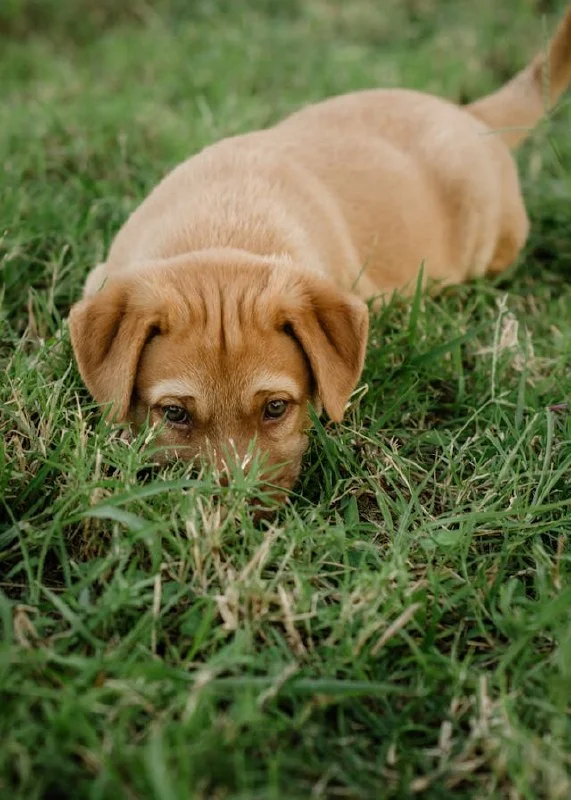
Puppy biting and nipping is one of the most common—and frustrating—behaviors new dog owners face. Those sharp puppy teeth can hurt, and the constant mouthing can feel overwhelming. But here's the good news: puppy biting is completely normal, and with consistent training, you can teach your puppy to have a gentle mouth.
Why Do Puppies Bite?
Understanding why puppies bite helps you address the behavior effectively:
1. Exploration
Puppies explore the world with their mouths, just like human babies. Everything goes in the mouth to discover texture, taste, and what things do.
2. Teething
Between 3-6 months, puppies lose baby teeth and grow adult teeth. Their gums hurt, and chewing provides relief. This is why teething puppies seem to bite everything.
3. Play
Puppies play with littermates by wrestling and mouthing. They don't initially understand that human skin is more sensitive than a furry sibling.
4. Attention-Seeking
Sometimes puppies learn that biting gets a reaction—even if it's negative attention, it's still attention!
5. Overstimulation
Tired, overstimulated puppies often get "bitey." Think of it like a toddler meltdown—they lose self-control when overwhelmed.
When Does Puppy Biting Stop?
With proper training, most puppies develop good bite inhibition by 4-6 months of age. However, without training, biting can continue into adolescence and even adulthood, becoming a serious problem.
The key is to start training bite inhibition immediately when you bring your puppy home, typically around 8 weeks old.
Bite Inhibition: What You're Actually Teaching
Your goal isn't just to stop biting—it's to teach bite inhibition. This means your dog learns:
- How to control the strength of their bite
- That human skin is sensitive and requires gentleness
- Appropriate outlets for mouthing behavior
- Alternative behaviors when they feel mouthy
Bite inhibition is a crucial life skill. Even the best-trained dog might accidentally mouth someone during play or if startled. A dog with good bite inhibition will have a soft, gentle mouth that doesn't cause injury.
How to Stop Puppy Biting: Step-by-Step
Method 1: The "Ouch!" Method
This mimics how puppies learn bite inhibition from littermates:
- When your puppy bites, say "OUCH!" loudly (even if it didn't really hurt). Use a high-pitched voice that sounds hurt.
- Immediately stop playing and turn away from your puppy. Cross your arms and ignore them for 10-20 seconds.
- Resume play. If biting happens again, repeat the process.
- If they continue biting, leave the room entirely for 30-60 seconds.
What this teaches: Biting = end of fun. Gentle play = playtime continues.
Method 2: Redirect to Appropriate Toys
Give your puppy an acceptable alternative to your hands:
- Keep toys handy during play sessions.
- When puppy bites your hand, immediately redirect to a toy. Make the toy exciting by moving it around.
- Praise enthusiastically when they bite the toy instead of you.
- Repeat consistently every time they bite.
What this teaches: Toys are for biting, humans are not.
Method 3: Time-Outs for Overstimulation
Sometimes puppies get too wound up and can't control themselves:
- Watch for signs of overstimulation: Biting becomes harder, puppy ignores "ouch," frantic energy.
- Calmly pick up your puppy or lead them to their crate or a quiet room.
- Provide a safe chew toy and let them calm down for 5-15 minutes.
- This isn't punishment—it's helping them regulate when they can't do it themselves.
What this teaches: How to self-regulate and calm down.
What NOT to Do
- ❌ Don't yell or physically punish. This creates fear and can lead to worse behavior problems.
- ❌ Don't use physical corrections like scruff shakes, alpha rolls, or hitting. These are outdated, ineffective, and damage trust.
- ❌ Don't play rough games that encourage biting (tug-of-war is okay if you teach "drop it," but wrestling encourages mouthing).
- ❌ Don't encourage mouthing even when it's gentle. Consistency is key.
- ❌ Don't let children play roughly with puppies. Kids' fast movements and high voices trigger prey drive.
Teething Relief for Biting Puppies
Help soothe sore gums with appropriate chewing outlets:
- Frozen washcloths: Wet, twist, and freeze. Perfect for teething relief.
- Frozen Kong toys: Fill with peanut butter or wet dog food, freeze for long-lasting chewing.
- Rubber teething toys: Nylabone, Kong, and similar brands designed for teething puppies.
- Chilled carrot sticks: Healthy, soothing option (supervise to prevent choking).
- Bully sticks and safe chews: Natural chewing satisfaction.
Rotate toys to keep them interesting. Keep several options available throughout your home.
Managing the "Witching Hour"
Many puppies have a "witching hour" (usually evening) when they get extra bitey and wild. This is normal but manageable:
- Recognize it's coming. Most puppies have the same time each day.
- Exercise before the witching hour. A tired puppy is a calmer puppy.
- Prepare enrichment activities: Frozen Kongs, puzzle toys, snuffle mats.
- Use a playpen or crate if puppy gets too wild to manage.
- Stick to a schedule. Predictable routines help puppies self-regulate.
Age-Specific Biting Expectations
8-12 Weeks
Frequent mouthing and biting is normal. Focus on teaching that human skin is sensitive. Expect to redirect constantly.
3-4 Months
Peak teething time. Biting may intensify temporarily. Provide lots of appropriate chewing outlets.
4-6 Months
Biting should decrease significantly if you've been consistent. Most puppies have good bite inhibition by now.
6+ Months
Mouthing should be rare. If biting persists, consult a professional trainer to address the behavior before it becomes a serious problem.
When to Seek Professional Help
Contact a certified dog trainer or veterinary behaviorist if:
- Biting is aggressive (stiff body, growling, lunging)
- Biting causes injury (breaking skin, bruising)
- Biting doesn't improve after 6 months despite consistent training
- You feel unsafe or unable to manage the behavior
- Puppy shows other concerning behaviors (resource guarding, extreme fear)
🎓 Need More Training Support? For comprehensive video training on bite inhibition and all puppy behaviors, check out our recommended professional training program.
Key Takeaways
- ✅ Puppy biting is normal—it's how they explore and play
- ✅ Start bite inhibition training immediately (8 weeks old)
- ✅ Use positive methods: "ouch," redirection, time-outs
- ✅ Provide appropriate chewing outlets, especially during teething
- ✅ Be consistent—everyone in the household must follow the same rules
- ✅ Most puppies develop bite inhibition by 4-6 months with proper training
- ✅ Seek professional help if biting is aggressive or doesn't improve