
How to Train a Bloodhound: Complete Training Guide
Everything you need to know about training, caring for, and raising a well-behaved Bloodhound.
Looking for the best Bloodhound training tips? This complete guide covers everything you need to know about training Bloodhound puppies, including obedience training, socialization, house training, and behavior management. Whether you're a first-time Bloodhound owner or experienced with the breed, you'll find proven training methods that work.
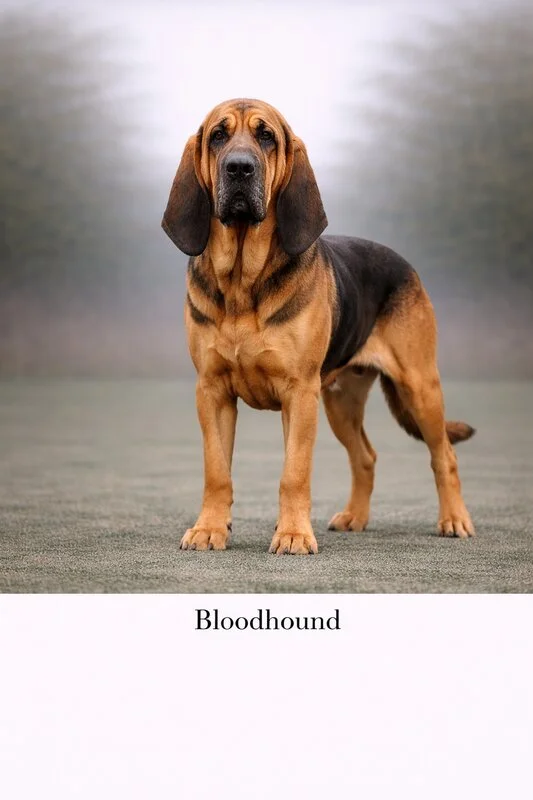
About Bloodhound Training & Temperament
The Bloodhound is a large breed known for being friendly, inquisitive, independent. Originally from Belgium/France, this breed has become popular worldwide for its distinctive personality and characteristics.
Essential Bloodhound Training Tips & Techniques
Best Training Approach for Bloodhounds
When training a Bloodhound, it's important to understand their unique temperament. This breed responds best to:
- Positive reinforcement - Reward-based methods work exceptionally well
- Consistency - Establish clear rules and stick to them
- Early socialization - Start exposing your puppy to different people, places, and experiences early
- Short training sessions - Keep sessions engaging and fun (5-10 minutes for puppies)
Key Commands to Teach First
- Name recognition - Foundation for all training
- Sit - Basic control command
- Come - Critical for safety
- Down - Builds impulse control
- Stay - Essential for safety and manners
Common Bloodhound Puppy Training Challenges & Solutions
Every breed has unique challenges. For the Bloodhound, common training issues include:
- Understanding breed tendencies - Work with your Bloodhound's natural instincts, not against them
- Energy management - Ensure adequate exercise before training sessions
- Socialization needs - Proper exposure during the critical 3-14 week window
- Consistency across family - All household members must follow the same rules
💡 Pro Tip: The Bloodhound's friendly, inquisitive, independent nature means they benefit from training methods that work with their personality rather than against it.
Bloodhound Care & Training Requirements
Exercise Requirements
The Bloodhound needs appropriate exercise to stay healthy and well-behaved:
- Daily walks appropriate for size and energy level
- Mental stimulation through training and puzzle toys
- Age-appropriate play sessions
- Structured activities that channel natural instincts
Grooming Needs
Regular grooming keeps your Bloodhound healthy and comfortable:
- Brush coat regularly (frequency depends on coat type)
- Check ears weekly for debris or infection
- Trim nails every 2-4 weeks
- Brush teeth several times per week
- Bathe as needed (typically monthly or when dirty)
Health Considerations
Like all breeds, the Bloodhound has specific health considerations to be aware of:
- Regular veterinary check-ups (especially during first year)
- Stay up to date on vaccinations
- Maintain healthy weight through proper diet and exercise
- Monitor for breed-specific health issues
- Provide preventive care (heartworm, flea/tick prevention)
Tip: Discuss breed-specific health concerns with your veterinarian during your first puppy visit.
How to House Train Your Bloodhound Puppy
House training success requires consistency and patience:
- Establish a schedule - Take puppy out every 1-2 hours initially
- Use a designated potty area - Same spot helps puppy understand
- Reward immediately - Praise and treat the instant puppy goes outside
- Supervise closely indoors - Watch for sniffing, circling, whining
- Never punish accidents - This damages trust and delays training
See our complete house training guide for detailed instructions.
Puppy Socialization: Training Bloodhounds to Be Well-Behaved
The critical socialization window is 3-14 weeks old. During this time, expose your Bloodhound puppy to:
- Different people - Various ages, appearances, behaviors
- Other dogs - Friendly, vaccinated dogs of different sizes
- Environments - Parks, streets, indoor spaces, different surfaces
- Sounds - Household noises, traffic, sirens, thunder recordings
- Handling - Touching paws, ears, mouth for grooming and vet visits
Check out our complete socialization checklist for more details.
Professional Training Resources
While these tips provide a solid foundation, professional training can accelerate your Bloodhound's progress and address specific behavioral issues.
Professional Dog Training Program
Get expert video guidance for all common behavior issues, obedience training, and breed-specific strategies.
📚 EXPLORE TRAINING PROGRAM →Key Takeaways: Bloodhound Training
- ✅ Start training and socialization early (8 weeks old)
- ✅ Use positive reinforcement methods consistently
- ✅ Understand and work with the Bloodhound's natural temperament
- ✅ Provide adequate exercise and mental stimulation
- ✅ Keep training sessions short, fun, and rewarding
- ✅ Be patient - every dog learns at their own pace
- ✅ Socialize during the critical 3-14 week window
- ✅ Establish house training routine immediately
Related Training Guides
Frequently Asked Questions About Bloodhounds
Are Bloodhounds easy to train?
Bloodhounds respond well to positive reinforcement training when started early. Their temperament and intelligence level affect training ease, but consistency and patience lead to success with any breed.
What age should I start training my Bloodhound puppy?
Start training your Bloodhound puppy as early as 8 weeks old. Focus on socialization, basic commands (sit, stay, come), and house training during the critical 8-16 week period.
How much exercise does a Bloodhound need?
Exercise needs vary by age and individual energy level. Most Bloodhounds benefit from daily walks, play sessions, and mental stimulation through training games.
Are Bloodhounds good with children?
With proper socialization and training, Bloodhounds can be excellent family companions. Always supervise interactions between dogs and young children, and teach both proper behavior.